KYOTO HOTELS
ABOUT KYOTO HOTELS
Kyoto was the ancient capital of Japan. It is renowned not only for its stunning temples and gardens but also for it’s diverse accommodations. Kyoto hotels cater to a wide range of travelers. From opulent establishments steeped in tradition to modern boutique hotels, the hospitality scene in Kyoto reflects the city’s rich cultural heritage while embracing contemporary comforts.
The iconic form of lodging in Kyoto is the Ryokan. It is a traditional Japanese inn that offers guests an authentic experience of Japanese culture. Ryokans lodging often feature tatami matted rooms, sliding shoji doors and futon bedding. They also offer an authentic Kaiseki dining experience. Many of these inns are nestled near scenic spots like Arashiyama or the Philosopher’s Path. Kyoto hotels ensure each stay is memorable and culturally enriching. Whether opting for the traditional allure of a ryokan, luxury of a high end hotel or the warmth of a boutique lodge, travelers are guaranteed an unforgettable stay that captures the essence of this historical city.
Below list of choice Kyoto hotels quoted in Japan Yen.
ABOUT KYOTO
Kyoto was the ancient capital of Japan where traditions and culture intertwine with breathtaking natural beauty. Kyoto is known for its well preserved temples, stunning gardens and vibrant seasonal changes. Kyoto offers a myriad of attractions that enchant visitors year round.
ATTRACTIONS IN KYOTO
- Kinkaku-ji or the Golden Pavilion is a Zen Buddhist temple encircled by serene gardens and a reflective pond. The top two floors are adorned with gold leaf. In autumn the reflection of the fiery red and orange leaves on the still waters creates a picturesque scene.
- Fushimi Inari Taisha is famous for it’s thousands of vermilion torii gates that wind their way up to Mount Inari. Each torii gate is donated by an individual or businesses.
- The Arashiyama Bamboo Grove is a garden where towering bamboo stalks sway gently in the breeze.
- Iwatayama Monkey Park offers a peek into the lives of wild Japanese macaques.
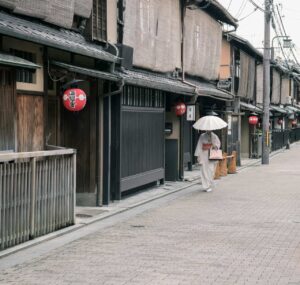
- The historic district of Gion is famed for it’s traditional wooden machiya houses and teahouses where geishas hosts still entertain guests. Geisha dressed in intricate kimonos is a common sight here. Walking along the lantern lit streets visitors will feel the historical nostalgia and cultural richness.
- The philosophical gardens of Ryoan-ji highlights the simplicity and elegance of Zen design.
BEST TIME OF YEAR TO VISIT KYOTO
Spring (March to May) with average highs of 14C – 25C (57F – 77F) with moderate rainfall. Cherry blossoms typically reach full bloom between late March and mid-April transforming temples and parks into seas of pink and white petals.
Summer (June to August) is hot and humid with average temperatures between 29C – 33C (84F – 91F). This also coincide with the rainy season that runs from June to July. August daily temperatures hover around 34C (93F). Typhoons often brush by in September month. Be wary of the weather forecast should you visit Kyoto during this period.
KYOTO DO’S AND DON’TS
Dos
- Chopstick Etiquette: Learn the proper way to use chopsticks, including avoiding sticking them upright in rice, which is associated with offerings to the dead soul in funerals.
- Bowing: Bowing is a common form of greeting showing respect or expressing gratitude especially to the elders.
- Shoes Indoors: Remove your shoes when entering homes, some restaurants and traditional spaces.
- Tipping: Tipping is not customary in Japan.
- Dress Modestly: Dress respectfully and avoid overly revealing clothing, especially in religious or cultural sites.
- Learning Basic Japanese: Even a few phrases are greatly appreciated amongst the locals.
- Punctuality: Being on time is crucial as it shows respect for the other party.
- Be Mindful of Onsen Etiquette: Follow the rules for bathing in onsen (Hot Spring), such as showering before entering and respecting the communal nature of the baths.
Don’ts
- Littering: Avoid dropping trash in public spaces and dispose of it properly.
- Public Nose Blowing: Blowing your nose loudly in public is considered rude.
- Eating While Walking: Avoid eating or drinking while in crowded areas and on public transportation.
- Loud Conversations: Keep conversations at a low tone and avoid talking loudly on public transportation.
- Pointing: Avoid pointing with your finger. Instead use a hand gesture with your palm up.
- Rude Gestures: Be mindful of your body language as some gestures that may be considered offensive.
- Being Direct: Japanese culture often relies on indirect communication, so avoid being overly blunt or confrontational.
- Asking for Favors: Avoid asking for favors directly; instead, try to find a more subtle way to approach the situation.
- Touching People: Avoid excessive physical contact, such as shaking hands or hugging, as it is not common in Japanese culture.
- Disrupting Others: Be mindful of your actions and avoid disrupting the peace and quiet of public spaces.