BUSAN HOTELS
ABOUT BUSAN HOTELS
Busan hotels offer a wide range of hotels to suit every traveler’s taste. From beachfront luxury to budget friendly Busan Hotels are grouped in the following manner –
- Haeundae (beach, nightlife and luxury)
- Seomyeon (central for shopping, dining and easy transport access)
- Gwangalli (beach and views of the Gwangan Bridge)
- Nampo-Dong & Jung-Gu (street food, markets and cultural sites)
- Busan station area (Convenient for train travelers)
- Budget and boutique choices are Canvas Hostel (in Haeundae beach, social vibe, great for solo travelers)
- Wow Guest House (Beachfront areas, friendly staff and great location)
- Urbanstay Seomyeon (stylish, self-service, ideal for longer stays)
The below list of Busan hotels quoted in South Korean Won.
ABOUT BUSAN
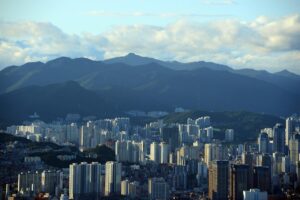
The coastal city of Busan is the second largest city in South Korea. The name Busan means Cauldron Mountain in Korean. It is popular for its stunning beaches, bustling markets and rich cultural heritage. A total population of 3.3 million people live in this city. Busan covers an area of 770 sq km.
The city started as Korea’s first International sea port in 1876.
Main attraction in Busan is Haeundae Beach with it’s stretch of white sand. It is a popular location for sunbathing, swimming and water sports. The beach is lined with restaurants, cafes and shops making it a place to spend the day.
Busan has an excellent and efficient public transport system. Buses, subways and the Busan-Gimhae Light Rail Transit connect to every corner in the city. Busan offers a diverse array of experience that caters to all interests. A destination that constantly evolves while preserving its rich traditions.
ATTRACTIONS IN BUSAN
- The Gamcheon Culture Village is built into the side of a hill. It has brightly painted houses along it’s narrow pathways. It is filled with art galleries, cafes and shops. Here visitors can enjoy the stunning view of the city and the sea cliff below.
- The Beomeosa Temple dates back to the 7th century. It is considered one of the most important temples in South Korea. Visitors can explore the temple halls, pagodas and statues. They may even take part in the traditional Buddhist ceremonies and rituals.
- Shinsegae Centum City is the world’s largest department store. This massive complex houses hundreds of shops, restaurants and entertainment outlets.
- The Taejongdae is a coastal park offering stunning views of the sea and cliffs. It is popular among nature lovers and has a nature trail leading to a lighthouse. Visitors can take a short cruise around the islands and dolphin spotting.
- The Jagalchi Fish Market is one of the largest in South Korea. Selling a wide variety of fresh seafood and other local delicacies. Visitors can wander through the stalls, watching the local fishermen work or chat with them. Fresh seafood catch can also be found here at reasonable prices.
BEST TIME OF YEAR TO VISIT BUSAN
- Spring (April to June) – Cherry blossoms, mild temperatures, and blooming parks. Perfect for outdoor adventures, temple visits, and scenic walks. This time of the year brings comfortable weather and fewer crowds compared to summer. However there will be occasional rain showers.
- Summer (June to August) – peak beach season in Haeundae and Gwangalli. Swimming, festivals like the Busan Sea Festival. This time of the year brings lively atmosphere and warm sea temperatures. However it is hot, humid, and frequently rains due to monsoon season. This is also the peak tourist season. Expect delays and longer waiting time.
- Fall (September to November) – Crisp air, clear skies and stunning autumn foliage. Hiking, many festivals during this time and is best for exploring cultural sites. Ideal for sightseeing and photography. However it brings cold air in the evenings and night time which requires heavier clothing.
BUSAN DOS AND DON’TS
Dos –
- Take off your shoes indoors — at homes, traditional restaurants, and some guesthouses.
- Use both hands when giving or receiving items (gifts, money, business cards) it is a sign of respect.
- Pour drinks for others (especially elders) and turn slightly away when drinking in front of them.
- Wait for the eldest to start eating before you dig in.
- Be quiet on public transport. Loud conversations or calls are disrespects the tranquil environment.
- Try local food without fuss. Showing openness to Korean cuisine is appreciated.
Don’ts –
- Don’t blow your nose in public. Step into a restroom instead.
- Don’t write names in red ink. It is bad luck or death in Korean culture.
- Don’t make comments about cosmetic surgery. It is considered rude and intrusive.
- Don’t show extreme emotions in public. Over reacting or being overly loud is considered rude.
- Don’t stick chopsticks upright into a bowl of rice. It is offering for the dead soul in a funeral ritual.
- Don’t hand things with one hand. It may seem dismissive.