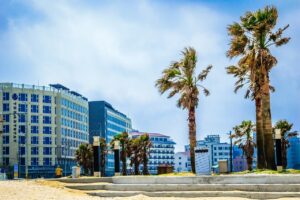
JEJU HOTELS
ABOUT JEJU HOTELS
Jeju hotels boasts a diverse range of accommodations to suit every traveler. From luxurious to Eco friendly each Jeju Hotels option reflects the island hospitality and culture in a unique way to experience all that Jeju has to offer. Whether one seeks indulgence, warmth or adventure the Jeju Hotels accommodations on this enchanting island ensure a memorable stay.
Below choice Jeju Hotels listing are quoted in South Korea Won.
ABOUT JEJU
The island of Jeju is located on the coast of South Korea. It is a popular tourist destination among Koreans as well as international tourist. The city is popular for its natural beauty, unique culture and rich history.
Jeju was originally called Tamna (island country) and has been inhabited since the early Neolithic period. The early settlers are linked to the Samseonghyeol (a legendary site where the three divine founders emerged). The Samyang Dong prehistoric site indicated Tamna traded with the Three Kingdoms of Korea (Baekje, Goguryeo, and Silla). The ancient city of Tamna also had diplomatic relations with the Tang Dynasty.
In 10th century Tamna was ruled by the Goryeo Dynasty. It was named Jeju during this time. The island played a significant role during the Goryeo era for the Sambyeolcho resistance against Mongol invasions.
Today Jeju attracts more than 10 million tourist every year. In addition to tourism, the many orange and mandarin orange agriculture farms also contributes the economy of Jeju. Jeju airlines Head Quarters is located on Jeju island.
ATTRACTIONS IN JEJU
- The Hallasan volcano (a dormant volcano) that is the highest peak in South Korea.
- The Seongsan Ilchulbong (also known as Sunrise Peak). This volcanic tuff cone is a UNESCO World Heritage site and has breathtaking views of the surrounding ocean and landscape.
- The Seongeup Folk Village is a traditional village that showcases the daily life and customs of the island’s inhabitants. Structures here consists of thatched roof houses, stone walls and historical artifacts that gives it a glimpse into Jeju’s past.
- Jeju Island is also known for its delicious fresh seafood, black pork and Jeju tangerines. They are unique to this region and are widely available at local restaurants and street markets on the island.
BEST TIME OF YEAR TO VISIT JEJU
Spring (March to May) and Autumn (September to November) are considered the best time of the year to visit Jeju. The weather on the Island is mild and there is less rain compared to Summer time (June – August). Summer time is usually hot and humid and it is also the peak tourist season.
JEJU DOS AND DON’TS
Dos –
- Take off your shoes indoors — at homes, traditional restaurants, and some guesthouses.
- Use both hands when giving or receiving items (gifts, money, business cards) it is a sign of respect.
- Pour drinks for others (especially elders) and turn slightly away when drinking in front of them.
- Wait for the eldest to start eating before you dig in.
- Be quiet on public transport. Loud conversations or calls are disrespects the tranquil environment.
- Try local food without fuss. Showing openness to Korean cuisine is appreciated.
Don’ts –
- Don’t blow your nose in public. Step into a restroom instead.
- Don’t write names in red ink. It is bad luck or death in Korean culture.
- Don’t make comments about cosmetic surgery. It is considered rude and intrusive.
- Don’t show extreme emotions in public. Over reacting or being overly loud is considered rude.
- Don’t stick chopsticks upright into a bowl of rice. It is offering for the dead soul in a funeral ritual.
- Don’t hand things with one hand. It may seem dismissive.