TOKYO HOTELS
ABOUT TOKYO HOTELS
The Tokyo hotels landscape is as diverse as the city itself. Whether you crave for the extravagance of a five-star luxury hotel, the comfort of an upscale establishment, the quality of mid-range lodgings or the affordability of budget accommodations, there is an option to suit every taste and budget. Each type of accommodation delivers a unique experience reflecting the rich culture and hospitality of Japan. As you plan your stay in this vibrant metropolis, consider the variety of Tokyo Hotels option available that will help shape your travel and memories in this incredible city of Tokyo that thrives on diversity. Your choice of hotel can significantly enhance your overall experience making your journey through Tokyo unforgettable.
Below list of choice Tokyo Hotels quoted in Japan Yen.
TOKYO ATTRACTIONS
- The Senso-ji Temple also known as Asakusa Kannon temple is located in the Asakusa historic district. It was constructed in 628AD and is dedicated to the Buddhist goddess of mercy. It is the oldest temple in the city.
- Nakamise Street is lined with shops selling traditional snacks and souvenirs outside the temple’s main hall.
- Akihabara district is a paradise for tech enthusiasts and pop culture. Known as the “Electric Town,”
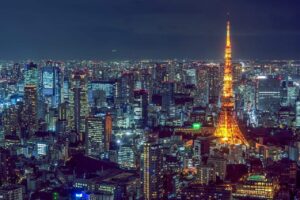
- Tokyo Tower is a remarkable architectural marvel inspired by Paris’s Eiffel Tower. It stands at 333 meters and was constructed in 1958. The observation deck provides breathtaking panoramic views of the city. The tower is beautifully illuminated at night.
- Imperial Palace is the living quarters of the Emperor Of Japan since 1868. Ceremonies are held here. The Imperial Palace stands at the site of the Edo era castle.
- Shinjuku Gyoen National Garden. Amidst the urban landscape the park is an oasis featuring meticulously groomed gardens, tranquil ponds and vibrant seasonal flowers. In spring cherry blossoms blanket the trees attracting both locals and tourists who gather for hanami or flower viewing.
BEST TIME OF YEAR TO VISIT TOKYO
March, April, October and November. These months fall in Mid Spring and late Autumn. Comfortable temperatures and little rain fall within these 4 months.
TOKYO TRAVEL TIPS
- Research and Plan: Tokyo is massive, so prioritize what you want to see and do. Consider what interests you most (anime, history, food, etc.) and group attractions by area to minimize travel time.
- Accommodation: Staying near a train station is highly recommended for easy access to the city.
- Download Essential Apps: Navigation apps (like Google Maps) and translation apps are very helpful.
- Get an IC Card: Suica or Pasmo cards can be used on trains and buses throughout Tokyo and beyond.
- Consider Pocket Wi-Fi or eSIM: Staying connected is crucial for navigation and communication.
- Transportation: The train and subway system is efficient, but can be crowded during rush hour.
- Etiquette:Be mindful of local customs, such as keeping noise levels down on public transport, respecting queues, and not littering.
- While credit cards are accepted at larger establishments, carrying cash is useful for smaller shops and restaurants.
- Embrace the Culture: Try local specialties, explore different neighborhoods, and be open to new experiences.
- Don’t Overpack: Comfortable walking shoes are a must due to the amount of walking involved.
- Book popular attractions in advance: Especially for places like the Pokemon Cafe or popular viewpoints.
- Enjoy the convenience of konbinis (convenience stores): They offer a wide variety of food and drinks.
- Don’t be afraid to ask for help: Locals are generally helpful and polite
DO’S AND DON’TS
Do
- Chopstick Etiquette: Learn the proper way to use chopsticks, including avoiding sticking them upright in rice, which is associated with offerings to the dead soul in funerals.
- Bowing: Bowing is a common form of greeting showing respect or expressing gratitude especially to the elders.
- Shoes Indoors: Remove your shoes when entering homes, some restaurants and traditional spaces.
- Tipping: Tipping is not customary in Japan.
- Dress Modestly: Dress respectfully and avoid overly revealing clothing, especially in religious or cultural sites.
- Learning Basic Japanese: Even a few phrases are greatly appreciated amongst the locals.
- Punctuality: Being on time is crucial as it shows respect for the other party.
- Be Mindful of Onsen Etiquette: Follow the rules for bathing in onsen (Hot Spring), such as showering before entering and respecting the communal nature of the baths.
Don’t
- Littering: Avoid dropping trash in public spaces and dispose of it properly.
- Public Nose Blowing: Blowing your nose loudly in public is considered rude.
- Eating While Walking: Avoid eating or drinking while in crowded areas and on public transportation.
- Loud Conversations: Keep conversations at a low tone and avoid talking loudly on public transportation.
- Pointing: Avoid pointing with your finger. Instead use a hand gesture with your palm up.
- Rude Gestures: Be mindful of your body language as some gestures that may be considered offensive.
- Being Direct: Japanese culture often relies on indirect communication, so avoid being overly blunt or confrontational.
- Asking for Favors: Avoid asking for favors directly; instead, try to find a more subtle way to approach the situation.
- Touching People: Avoid excessive physical contact, such as shaking hands or hugging, as it is not common in Japanese culture.
- Disrupting Others: Be mindful of your actions and avoid disrupting the peace and quiet of public spaces.