YOGYAKARTA HOTELS
ABOUT YOGYAKARTA HOTELS
Yogyakarta hotels offerings reflect the city’s rich cultural tapestry and cater to a myriad of preferences and budgets. From high end luxury retreats to cozy guesthouses, each accommodation option contributes to an immersive travel experience. Visitors can find not just a place to rest but a unique opportunity to engage with the local culture making their stay in this charming city one to remember. Whether one seeks lavish amenities or a modest home like environment, Yogyakarta hotels are well equipped to provide memorable experiences that resonate long after their journey ends.
Below listed choice Yogyakarta hotels quoted in Indonesia Rupiah.
ABOUT YOGYAKARTA
Yogyakarta, also known as Jogja, is a city in Indonesia. Situated on the southern coast of Java Island Yogyakarta is the capital city of the Yogyakarta Special Region and has a population of over 3 million people. Yogyakarta is known as the cultural hub of Indonesia.
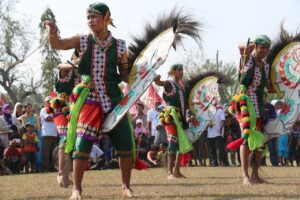
Jogyakarta is rich in cultural heritage known for Javanese cultural performing arts such as the Wayang Kulit (shadow puppet) show that depicts legendary stories from the ancient Ramayana empire. Another Javanese cultural heritage is the Gamelan music and dance.
ATTRACTIONS IN YOGYAKARTA
- The ancient Sultan’s Palace also known as Kraton. Visitors can take guided tours through the palace where they can learn about the history of the sultans and witness traditional performances such as gamelan music and dance.
- Just a short distance from the palace lies Taman Sari or the Water Castle which was once a royal garden for the Sultan. This historical site features beautiful pools, wells and elaborate architecture.
- The ancient Borobudur Temple site (a UNESCO World Heritage Site) is located about an hour’s drive from Yogyakarta. This magnificent Buddhist temple is the largest of its kind in the world featuring over 2,600 relief panels and 504 Buddha statues. The temple’s design symbolizes the journey to enlightenment with breathtaking views of the surrounding landscape during sunrise.
- The Prambanan Temple (another UNESCO World Heritage Site) is a remarkable Hindu temple complex that showcases stunning vertical architecture that dates back to the 9th century. Prambanan consists of several temples dedicated to various Hindu deities, including Shiva, Vishnu and Brahma. Visitors here often attend the spectacular Ramayana dance performances held at sunset.
- The Merapi Volcano, is one of Indonesia’s most active volcanoes. It attracts adventurers and hiking enthusiasts alike to visit it.
- The Malioboro Street market is lined with shops selling traditional batik clothing, handmade crafts and street food vendors offering local delicacies like Gudeg and Bakpia.
BEST TIME OF YEAR TO VISIT YOGYAKARTA
The best time of the year to visit Yogyakarta is from May to October (dry season) when the weather is pleasant and ideal for sightseeing. Daily temperatures range from 22C – 32C (72F – 90F). The peak tourist season months are from June to August.
YOGYAKARTA TRAVEL TIPS
Packing Essentials:
- Clothing: Pack light, breathable clothing like linen or cotton, quick-drying fabrics are ideal for the humidity.
- Footwear: Sandals and comfortable walking shoes are essential.
- Temple Attire: Sarongs and scarves are often provided at temples, but it’s wise to pack appropriate clothing or be prepared to purchase some upon arrival.
- Sun Protection: Sunscreen, sunglasses, and a hat are crucial for protecting yourself from the strong sun.
- Mosquito Repellent: Mosquitoes are common, so bring a good repellent.
- First-Aid: Consider packing diarrhea medication and activated charcoal.
- Rain Gear: Pack an umbrella or lightweight rain jacket for unexpected showers.
Transportation:
- Scooters: are a popular way to get around, but roads can be busy and accidents can happen, so wear a helmet.
- Grab/Gojek: Consider using ride-hailing apps like Grab or Gojek for convenient and affordable transportation.
- Hiring a Driver: Hiring a driver for the day can be a good option, especially for exploring further afield.
Respecting Local Culture:
- Temples: Dress modestly when visiting temples, covering shoulders and legs, and be respectful during ceremonies.
- Offerings: Don’t touch or move offerings.
- Environment: Be mindful of your environmental impact and avoid littering.
Money and Safety:
- Cash: Carry some cash as many establishments prefer it, particularly in smaller businesses and markets.
- Safety: Be aware of your surroundings, especially in crowded areas, and take precautions to protect your valuables.
- Bargaining: Haggling is common, but do it respectfully.
Food and Drink:
- Bottled Water: Stick to bottled water to avoid potential stomach issues.
- Local Food: Try the local cuisine, but be mindful of food hygiene standards.
Dos and Don’ts
- Do not drink tap water. Instead drink bottled or canned water.
- Don’t step on or touch prayer offerings when visiting to places of worship.
- Don’t enter main areas of sacred places unless properly dressed.
- Don’t climb sacred trees.
- Don’t take pictures with improper clothes around sacred places.
- Don’t litter or spit in public.
- Don’t use non-recyclable plastic.
- Don’t talk loudly or shout while at sacred places of worship.